Custom Packaging for Small Brands: A Beginner's Guide
New to custom packaging? This beginner's guide covers box types, materials, minimum orders, costs, and design tips so your small brand can ship products that look as good as they perform.
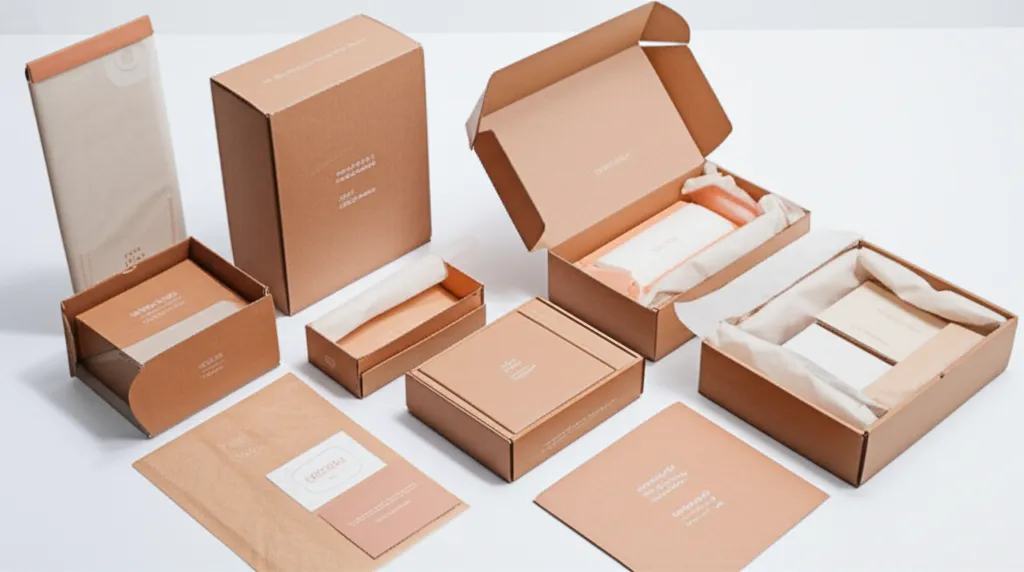
Your product might be incredible — but if it arrives in a plain brown box with a shipping label slapped on top, you're leaving a massive brand impression on the table. In 2026, custom packaging isn't a luxury reserved for big brands. It's accessible, affordable, and one of the highest-ROI investments a small business can make.
The Bottom Line
Custom packaging starts at $1–$3 per unit for simple mailer boxes at quantities of 100+. It increases perceived product value by up to 30%, drives repeat purchases, and generates free social media exposure through unboxing content. For small brands, it's not a cost — it's a growth tool.
This guide walks you through everything you need to know — from box types and materials to minimum order quantities and working with a print partner.
Why Custom Packaging Matters for Small Brands
Packaging is often the first physical touchpoint a customer has with your brand. Research from Dotcom Distribution found that 40% of online shoppers share photos of deliveries with interesting packaging on social media. That's free marketing you can't buy with ads.
📊 Why Packaging Moves the Needle
- ✅ 72% of consumers say packaging design influences their purchasing decisions (Ipsos)
- ✅ 61% of shoppers are more likely to make a repeat purchase from a brand with premium packaging (Dotcom Distribution)
- ✅ Unboxing videos are one of the fastest-growing content categories — 165+ billion views on YouTube and counting
- ✅ Custom packaging reduces damage rates by 25–40% compared to generic boxes (right-sized protection)
Types of Custom Packaging
Not all packaging is created equal. Here's a breakdown of the most common types for small brands:
| Box Type | Best For | MOQ | Price Range |
|---|---|---|---|
| Mailer Box (Tuck-End) | E-commerce, subscription boxes | 50–100 units | $1.50–$4.00/unit |
| Rigid (Setup) Box | Luxury products, gifts, electronics | 200–500 units | $3.00–$10.00/unit |
| Folding Carton | Retail shelves, cosmetics, food | 500–1,000 units | $0.30–$2.00/unit |
| Poly Mailer | Clothing, soft goods, lightweight items | 100–500 units | $0.15–$0.60/unit |
| Shipping Box (RSC) | General shipping, larger products | 100–250 units | $1.00–$3.50/unit |
💡 Pro Tip
Start with mailer boxes — they're the most versatile, have the lowest minimums, and print beautifully inside and out. If you sell clothing or lightweight items, branded poly mailers are the cheapest entry point.
Materials: What Your Box Is Made Of Matters
The material you choose affects durability, print quality, sustainability perception, and cost. Here are the most common options:
📦 Corrugated Cardboard (E-Flute / B-Flute)
The workhorse of e-commerce packaging. E-flute (1.5mm thick) is ideal for mailer boxes — thin enough for clean printing, strong enough to protect products in transit. B-flute (3mm) adds extra crush resistance for heavier items. Most custom mailer boxes use E-flute corrugated.
🎨 Coated Paperboard (SBS / C1S / C2S)
Smooth, bright white surface that's perfect for high-quality full-color printing. SBS (Solid Bleached Sulfate) is the premium choice for folding cartons — think cosmetics, candles, and food packaging. Prints sharper than corrugated but offers less structural protection.
🌿 Kraft Paper
The natural brown finish screams "eco-friendly" and works beautifully with minimalist branding. Kraft is cheaper than white corrugated, fully recyclable, and trending hard with sustainability-conscious consumers. Best for 1–2 color designs (full CMYK can look muddy on brown).
✨ Rigid Board (Greyboard + Wrap)
Thick chipboard wrapped in printed paper or specialty material. This is what Apple, jewelry brands, and luxury goods use. Heavy, premium feel — but also the most expensive option with higher minimums (200–500 units).
Understanding Minimum Order Quantities (MOQs)
MOQs are the biggest hurdle for small brands entering custom packaging. Here's the reality in 2026:
📋 MOQ Reality Check
- Online platforms (Packlane, Arka, noissue): As low as 10–30 units for digital-printed boxes. Higher per-unit cost but zero commitment.
- Local/regional print shops: Typically 100–250 units for standard mailer boxes. Better pricing, ability to see physical samples.
- Traditional manufacturers: 500–1,000+ units. Best per-unit pricing but requires more capital upfront.
- Rigid boxes: Usually 200–500 minimum due to manual assembly. Budget $5–$10/unit at low quantities.
⚠️ Watch Out
Ultra-low MOQs (10–30 units) from online platforms use digital printing, which has limitations: fewer finishing options, less vibrant colors on kraft, and no spot UV or foil stamping. If premium finishes matter to your brand, you'll need 250+ units to unlock offset printing and specialty techniques.
Design Tips for First-Time Custom Packaging
Great packaging design doesn't require a huge budget — but it does require intention. Follow these principles:
Keep It Simple
Your logo, brand colors, and one key message. That's it. Over-designed packaging looks cluttered and costs more to print. Some of the most iconic packaging (Apple, Glossier, Aesop) uses minimal design to maximum effect.
Design the Inside Too
The unboxing moment happens when the box opens — not when it arrives. A printed interior (even a simple pattern or message) costs only 10–15% more but dramatically elevates the experience. Consider a "Thank You" message or care instructions printed inside the lid.
Think About the Whole Experience
The box is just one piece. Branded tissue paper ($0.10–$0.25/sheet), custom stickers ($0.05–$0.15 each), and a printed insert card ($0.10–$0.30) can transform a basic box into a memorable brand experience — for under $1 total in add-ons.
Size It Right
Oversized boxes waste material, increase shipping costs (dimensional weight pricing), and require more void fill. Measure your product, add 0.5–1 inch of clearance on each side, and order that size. A snug fit feels premium and ships cheaper.
Get Your Files Right
Submit print-ready files in CMYK color mode (not RGB), at 300 DPI minimum, with 0.125" bleed on all sides. Use vector formats (AI, EPS, PDF) for logos and text. Your printer should provide a dieline template — always design on it.
Finishing Options That Elevate Your Packaging
Printing is just the start. Finishing techniques add texture, shine, and perceived value:
| Finish | Effect | Added Cost | Min. Qty |
|---|---|---|---|
| Spot UV Coating | Glossy raised areas on matte background | +$0.15–$0.40/unit | 250+ |
| Foil Stamping | Metallic gold, silver, or holographic accents | +$0.20–$0.75/unit | 250+ |
| Embossing / Debossing | Raised or pressed text/logo for tactile effect | +$0.15–$0.50/unit | 500+ |
| Soft-Touch Lamination | Velvety matte texture (like Apple boxes) | +$0.10–$0.30/unit | 500+ |
| Matte / Gloss Lamination | Full surface protection + visual effect | +$0.05–$0.15/unit | 100+ |
How to Budget for Custom Packaging
Here's a realistic cost breakdown for a small brand ordering 250 custom mailer boxes:
💰 Sample Budget: 250 Custom Mailer Boxes
💡 Pro Tip
At $3.51 per package for a complete branded experience, you're spending less than a latte to make every customer feel like they're opening something special. If your average order value is $40+, that's under 9% of revenue — well within the 5–15% packaging budget most DTC brands target.
Sustainability: What Customers Actually Care About
In 2026, 67% of consumers consider sustainability when making purchasing decisions (McKinsey). Here's how to make your packaging eco-friendly without breaking the bank:
Use corrugated or kraft materials — both are curbside recyclable in all 50 states. Skip the plastic lamination if possible.
Choose soy-based or water-based inks — they're standard at most commercial printers now and don't add cost.
Right-size your boxes — less material, lower shipping weight, less void fill. Good for the planet and your wallet.
Print recycling instructions on the box — tell customers it's recyclable. Don't assume they know. A simple "Please recycle me! ♻️" goes a long way.
Working With a Print Partner
Online platforms are convenient for small orders, but working with a local commercial printer gives you advantages that matter as you scale:
- ✅ Physical samples before committing — see and feel the actual box, paper, and finishes
- ✅ Custom sizes — online platforms limit you to standard dimensions. A print shop can build any size.
- ✅ Finishing options — foil stamping, embossing, spot UV, and specialty coatings that online platforms can't do
- ✅ Better pricing at 250+ units — local printers beat online platforms on price once you cross the ~250 unit threshold
- ✅ Faster turnaround — no cross-country shipping. Local means you can pick up or get next-day delivery.
- ✅ Expert guidance — a real person who can advise on materials, structure, and print techniques for your specific product
💡 Pro Tip
When requesting quotes, always provide: box dimensions (L×W×H), quantity, material preference, number of print colors (or "full color"), and any finishing you want. The more specific you are upfront, the more accurate your quote will be.
Your Custom Packaging Checklist
✅ Ready to Order? Make Sure You Have:
Frequently Asked Questions
How much does custom packaging cost for a small business?+
Custom mailer boxes start at $1.50–$4.00 per unit at quantities of 100–250. A complete branded package (box + tissue paper + sticker + insert card) typically runs $3–$5 per unit. Costs decrease significantly at higher volumes — 1,000+ units can bring mailer boxes down to $1.00–$2.00 each.
What is the minimum order for custom packaging?+
It depends on the supplier. Online platforms like Packlane and Arka offer minimums as low as 10–30 units (digital print only). Local commercial printers typically start at 100–250 units for standard mailer boxes. Rigid boxes usually require 200–500 units minimum due to manual assembly.
Should I use kraft or white boxes for my brand?+
Kraft (natural brown) is cheaper, eco-friendly, and works beautifully with minimalist 1–2 color designs. White boxes are better for full-color CMYK printing and brands that need bright, vibrant visuals. Choose based on your brand aesthetic and how many colors your design uses.
What file format do I need for custom packaging printing?+
Submit print-ready PDF, AI, or EPS files in CMYK color mode at 300 DPI minimum with 0.125 inch bleed on all sides. Use vector format for logos and text. Always design on the dieline template provided by your printer — this ensures your artwork aligns correctly with folds and cuts.
How long does custom packaging take to produce?+
Digital-printed boxes (small quantities) take 5–10 business days. Offset-printed boxes (500+ units) take 10–15 business days. Rigid boxes take 15–20 business days. Add 3–5 days for proof approval. Most small brands should plan 3–4 weeks from approved design to delivery.
Is custom packaging worth it for a small brand?+
Yes. Custom packaging increases perceived product value by up to 30%, drives repeat purchases (61% of shoppers prefer brands with premium packaging), and generates free social media exposure through unboxing content. At $3–$5 per package, it's one of the highest-ROI brand investments a small business can make.
Ready to start your print project?
Get a free quote or call us at (626) 960-4081